Have you ever wondered if an online hearing test can truly give you a clear picture of your hearing health? With so many websites offering quick and easy tests, it makes sense to be curious about how reliable or helpful these tools are.

Online hearing tests have become more common as people look for convenient ways to check their hearing at home. These tests offer fast results without a clinic visit, but there are important details to consider before relying on them.

Understanding what online tools can and cannot do helps you make informed choices about your hearing health. Learning the differences between online and in-person testing, and knowing the limits of each, you can decide what steps to take if you have concerns about your hearing.

Understanding How Online Hearing Tests Work?

Online hearing tests are designed to give a quick and convenient way to assess your hearing from home. These tests typically play a series of tones or spoken words through headphones, asking you to indicate when you hear them.

Some tests may also measure how well you understand speech in different levels of background noise. The results can give a general idea of whether your hearing is within a normal range or if there may be potential issues that need further attention.

While online hearing tests can be useful for spotting possible hearing changes, they have limitations compared to in-person evaluations. Factors like background noise, the quality of your headphones and the testing environment can affect accuracy.

They also cannot diagnose medical conditions that may cause hearing loss or provide a detailed plan for treatment. Understanding these limitations helps you use online hearing tests as a helpful first step, while still seeking professional care for a full assessment and personalized recommendations.

Why Many People Choose Online Hearing Tests

Many people are drawn to online hearing tests because they are quick and can be done from home. These tests let you check your hearing at any time, which can feel less stressful than scheduling an appointment.

Privacy and ease of use are also appealing, especially if you feel unsure about your hearing. While these tools can give you a general sense of your hearing, they do not replace a full assessment by an audiologist.

How Online Hearing Tests Help Identify Hearing Changes Early

Online hearing tests can help you notice early signs of hearing loss. If you find yourself missing certain sounds or words during the test, it may mean your hearing has changed. Noticing these changes early allows you to seek help sooner and learn about options that could improve your daily life.

While online tests are not a full replacement for in-person checks, they can encourage you to pay attention to your hearing health and take action when needed.

Comparing Online Hearing Tests with in Person Checks

Online hearing tests can be helpful for a quick check, but they have limits. These tests use your own headphones or speakers, which may not provide accurate results due to differences in sound quality or background noise at home.

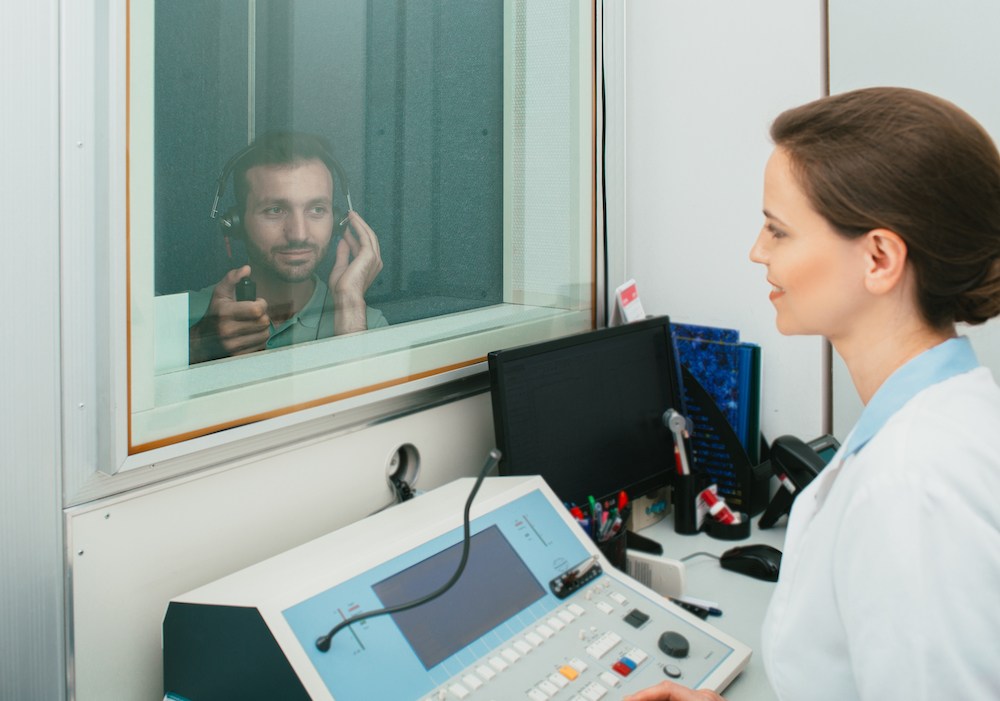
In-person checks with an audiologist uses professional equipment in a controlled setting. This leads to more reliable results and can reveal details about your hearing that online tests might miss.

If you are unsure about your hearing or get unclear results from an online test, consider talking with an audiologist. This step helps you get the answers and support you need for your hearing health.

Recognizing the Limits of at Home Hearing Testing

At-home hearing tests can give you a basic idea of your hearing, but there are real limits.

It is natural to want quick answers, especially if you are concerned about changes in your hearing. However, online tools cannot check for earwax buildup, medical issues or the full range of sounds you might have trouble hearing in daily life.

If you still have questions after trying an at-home test, reaching out to an audiologist can provide more complete and reliable information.

Factors That May Change Your Online Test Results

Many things can affect the results of an online hearing test. The type of headphones or speakers you use, background noise in your room and even your internet connection can all make a difference.

If you are tired, distracted or not feeling well during the test, your answers might not be as accurate. Even small changes in how you take the test can lead to different results each time.

Privacy and Data Concerns with Online Hearing Tests

When taking an online hearing test, it is important to know how your personal information is handled. Some websites may ask for details like your name, email address or age before giving results.

Always check if the website explains how your data will be managed and if it is protected. If privacy matters to you, choose tests from trusted sources that clearly state how they keep your information safe.

Practical Actions If You Have Concerns About Your Hearing

If you have concerns about your hearing, there are some simple steps you can take right away. Acting early helps you get the answers and support you need.

Try these practical actions if you are worried about your hearing:

  • Write down any changes or problems you notice, like trouble following conversations or needing to turn up the TV.
  • Limit loud noises when possible and use ear protection in noisy places.
  • Ask family or friends if they have noticed any changes in how well you hear.

Making the Best Choices for Your Hearing Health

Online hearing tests offer a convenient way to get a general sense of your hearing at home. While they can be a helpful first step, only an in-person visit with an audiologist can provide clear answers and advice tailored to your needs.

If you have tried an online test and still have questions or concerns, getting checked by someone who can look at all parts of your hearing health is important.

Taking action when you notice changes in your hearing helps protect your hearing for the future. If you want more reliable results than what an online test offers, schedule an appointment with an audiologist.