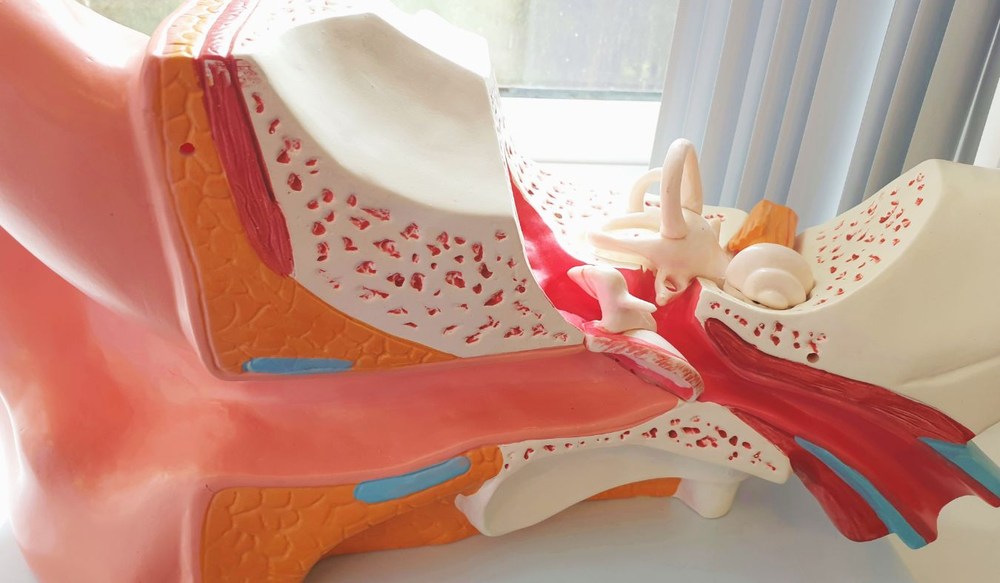
If you’ve noticed changes in your hearing, you may be wondering what a hearing evaluation is. A hearing evaluation is a simple, non-invasive way to measure your hearing and identify any concerns that may need attention. Whether this is your first evaluation or a return visit, knowing what to expect can help you feel prepared and more comfortable going into the process.

During the appointment, your audiologist will walk you through each step and explain the purpose of the tests being performed. The evaluation is designed to be clear and informative, giving both you and your audiologist a full picture of your current hearing. The results will provide a useful starting point for deciding what treatments will be right for you, making the evaluation an important step in maintaining your hearing health.

Why a Hearing Evaluation is Important for Your Health

A hearing evaluation is more than just a test of how well you can hear. It also plays an important role in your overall health. Changes in hearing can affect daily communication, but they may also be linked to other health concerns like balance issues, stress or even cognitive changes over time. By having your hearing checked, you give yourself the chance to catch potential problems early and understand how they may be impacting your daily life. This information helps your audiologist recommend the right steps to protect your hearing and support your long-term well-being.

Simple Ways to Get Ready for Your Appointment

Getting ready for a hearing evaluation does not have to be complicated, but a little preparation can make the visit smoother. One helpful step is to think about your recent hearing experiences. Make note of situations where you have trouble hearing, like following conversations in noisy places or needing to turn up the TV volume. Writing these details down gives your audiologist a clearer picture of your daily challenges and helps them tailor the evaluation to your needs. It is also useful to bring a list of any medications you take, since some prescriptions can affect hearing.

Another simple way to prepare is to gather any questions you may have about your hearing or the evaluation itself. Bringing these concerns to your appointment ensures you leave with a better understanding of your hearing health and the next steps that may follow. If possible, consider asking a family member or close friend to come with you, since they might notice changes in your hearing that you have not. Taking these small steps can help you feel more comfortable and confident during your appointment, making the process more productive and informative.

What to Expect When You Arrive at Your Appointment

When you arrive for your appointment, you will begin by checking in at the front desk and completing any forms about your medical and hearing history. This information gives your audiologist important background details before the evaluation begins. Most clinics provide a calm and welcoming waiting area where you can sit until it is time to be seen. During this time, staff are available if you have questions or need help with the paperwork. These first steps ensure your audiologist has the details they need to better understand your hearing concerns and prepare for a thorough evaluation.

Sharing Your Medical and Hearing Background

During your appointment, your audiologist will ask about your medical and hearing history. Be ready to talk about any past ear infections, surgeries, loud noise exposure or family history of hearing loss. Sharing this information helps your audiologist understand what might be affecting your hearing and allows them to recommend the best options for you.

How Long a Hearing Evaluation Usually Takes

A typical hearing evaluation takes about 30 minutes to an hour, depending on the tests needed and any questions you have. The time may vary if extra tests are required or if you have specific concerns to discuss. Knowing how long the appointment might last can help you plan your day and feel less anxious about waiting or being rushed.

What Happens During the Ear Check

As part of the evaluation, your audiologist will look inside your ears using a small lighted tool called an otoscope. This helps check for wax buildup, signs of infection or other issues that could affect your hearing. Sometimes, they may also use a test called tympanometry to see how well your eardrum moves.

Common Hearing Tests You Might Take During the Visit

Your audiologist may use several tests to check how well you hear different sounds and understand speech. One common test is pure-tone testing, where you wear headphones and press a button when you hear beeps at different pitches and volumes. This helps find the quietest sounds you can hear at each frequency.

Another test is speech audiometry, which measures how well you recognize words at different loudness levels. Since about 15% of adults in the United States report some trouble hearing, these tests are important for understanding your needs and planning next steps.

How Your Results are Shared and What They Tell You

After the tests, your audiologist will go over the results with you in clear, simple language. You’ll see a chart called an audiogram that shows how well you hear different sounds. Ask questions if anything isn’t clear or if you want more details about what the results mean for your daily life. It can help to write down any advice or next steps, and having someone with you can make it easier to remember important information.

Helpful Questions to Ask While Meeting with Your Audiologist

Asking questions during your appointment helps you feel more involved in your care. Consider asking about the type of hearing loss you have, what treatment options are available and how hearing devices might fit into your daily routine. You can also ask how often you should return for check-ups or what steps you can take at home to protect your hearing. You audiologist there to support you and answer any concerns.

What Comes Next After Completing Your Hearing Evaluation

If hearing loss is found, you will discuss possible treatment options, which may include hearing aids or other assistive devices that fit your needs and lifestyle. Even if your results show only mild changes, your audiologist can provide useful communication strategies to make daily conversations easier, like facing people when they speak or reducing background noise. This discussion is focused on giving you practical tools and recommendations so you can move forward with a better understanding of how to manage your hearing health.

Taking the Next Step Toward Better Hearing

A hearing evaluation is an important step in understanding your hearing health and making choices that fit your needs. Knowing what to expect can help you feel more comfortable and prepared. Each part of the evaluation, from sharing your background to learning about test results, is designed with your care in mind.

If you’ve noticed changes in your hearing or have questions about the evaluation process, schedule an appointment with an audiologist. Taking this step can provide answers, support and a clear plan for improving your hearing health.