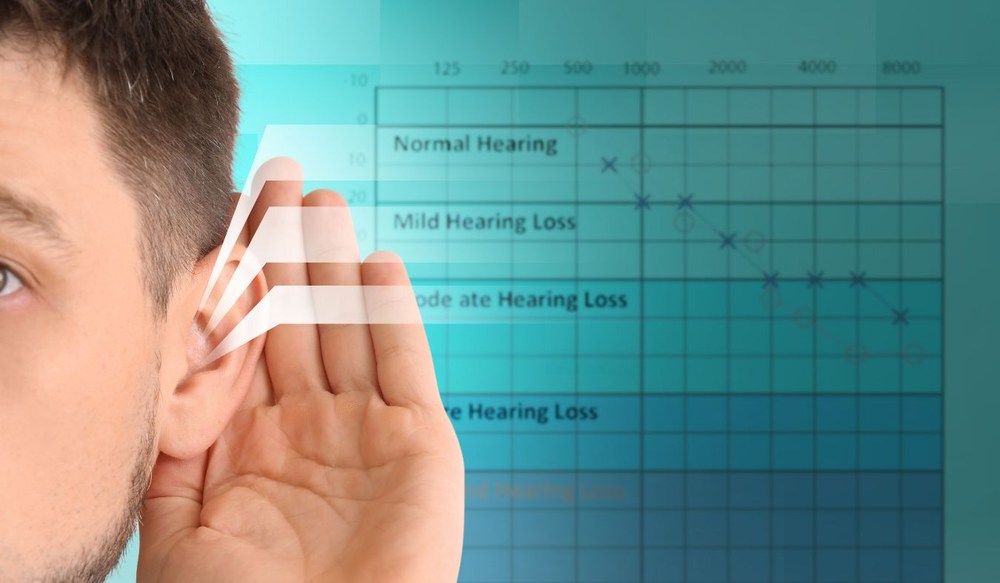
Hearing loss affects people of all ages, but testing a child’s hearing requires a different approach than testing an adult.

Adults can usually follow instructions and describe what they hear, while young children may not be able to provide consistent feedback. Because of this, audiologists use age-appropriate methods that rely on observation, games and visual cues rather than standard verbal responses.

Detecting hearing loss early in children is especially important because it can affect speech, learning and social development, whereas adults typically face challenges with communication and daily activities. These differences explain why pediatric hearing tests are designed to work with a child’s natural behaviors rather than the straightforward methods used with adults.

Age and Development Influence Hearing Test Choices

The way hearing is checked depends a lot on age and developmental stage. Babies might show they hear a sound by moving or turning their head, while older children and adults can raise a hand or press a button.

A professional audiologist selects the right test based on what you or your child can do, making sure the process fits each person’s abilities. Knowing this can help you feel more comfortable about what will happen during a hearing check.

Communication Abilities Shape Testing Methods

Communication skills also play a big role in how hearing tests are given. Young children may not have the words or understanding to follow detailed instructions, so an audiologist uses methods that fit their abilities.

For example, very young children might play a simple game when they hear a sound, while older kids and adults can answer questions or press a button. These adjustments help get accurate results and keep everyone comfortable.

The Role of Parents and Caregivers During Pediatric Hearing Tests

Your involvement during your child’s hearing test is important. Being present helps your child feel safe and calm in a new environment. Sometimes, an audiologist may ask you to hold your child or help keep them focused.

You may also be asked about your child’s hearing history or behavior at home. Sharing your observations help better understand your child’s needs and supports accurate results.

The Importance of Early Detection in Children

Early identification of hearing loss is key for a child’s growth and learning. When hearing loss is found early, support can begin right away, which helps with speech, language and social development.

Many hospitals check newborns’ hearing soon after birth, but it’s still important to watch for changes as your child grows. If you notice signs of hearing loss, getting a hearing test quickly can make a real difference.

Common Hearing Tests for Young Children

Hearing tests for young children are designed to match their age and stage of development. Some tests use games or sounds to see how your child reacts, while others measure how the ear responds without needing any answers from your child.

These tests allow an audiologist to find out if your child is hearing well, even if they cannot speak or follow directions yet. Early testing means any hearing loss can be found and managed sooner, supporting your child’s speech and learning.

Play Based Hearing Tests Designed for Kids

Play-based hearing tests are made for young children who may not be able to follow standard instructions. These tests use simple games and activities to check how well your child hears different sounds. Your child might be asked to put a block in a bucket or clap hands when they hear a sound. This approach keeps children engaged and helps reduce stress.

Testing Methods Used with School Aged Children

School-aged children usually take hearing tests that are more structured than those for younger kids. These tests often ask you to raise your hand, press a button or give a simple response when you hear certain sounds.

Speech tests may also be used, where you repeat words or sentences. These methods help measure how well you hear in different situations and make sure the results fit your age group.

How Adult Hearing Test Procedures Are Different

Hearing tests for adults are typically more direct and structured. Adults can follow instructions and respond clearly during the test. You may be asked to press a button or raise your hand when you hear certain tones or repeat words and sentences spoken at different volumes. These steps help your audiologist measure your hearing accurately in a quiet setting.

Steps to Help Your Child Get Ready for a Hearing Test

Preparing your child for a hearing test can make the appointment smoother and help ease any worries. Children may feel nervous about new places or people, so planning ahead is helpful.

Use this checklist to get your child ready:

  • Talk with your child about the hearing test using simple words.
  • Let them know that you will be there with them.
  • Bring a favorite toy, book or comfort item to help them feel safe.
  • Make sure your child is well-rested and has eaten before the appointment.
  • Arrive a little early so your child can adjust to the new setting.

Signs That Suggest Your Child May Need a Hearing Test

Some signs of hearing loss in children can be easy to overlook. If your child often asks you to repeat yourself or seems to ignore sounds, it may be time for a hearing test. You might notice your child turning up the volume on the TV or having trouble following directions. Sometimes, children with hearing loss speak differently or do not respond when their name is called.

If you see any of these changes in your child’s behavior, it is important to talk with an audiologist. Early testing helps ensure your child gets the support needed for learning and communication.

What to Remember About Hearing Tests for Children and Adults

Understanding the differences between hearing tests for children and adults helps you feel more prepared if a test is recommended for your child. Kids need testing methods that match their age and communication skills, so the process is both comfortable and accurate.

If you notice changes in how your child responds to sounds or have concerns about their speech or learning, schedule an appointment with an audiologist. Early support can have a lasting impact on your child’s development.